
BLOG
Why Patio Roof Orientation Matters for Summer Shade and Winter Sun in Lake Macquarie Homes
A patio roof can provide overhead shelter yet leave the dining table exposed to afternoon sun. It can also make an adjoining living room darker if its depth and position block light that previously reached the windows. These outcomes depend partly on orientation, meaning the direction the outdoor area faces in relation to the sun.
For Lake Macquarie homes, planning needs to consider both summer comfort and access to sunlight during cooler months. Choosing a roof solely by its appearance or covered floor area can overlook how shadows move across the patio and the rooms beside it.
North, East and West Need Different Shading Approaches
Start by identifying the direction the patio opens towards. The slope of the roof alone does not establish its solar orientation. A roof that falls towards the garden may cover a north-facing, east-facing or west-facing outdoor area.
On the northern side of a house, the seasonal difference in sun height creates an opportunity to balance shade and sunlight. A suitably proportioned overhead cover can intercept higher summer sun while allowing lower winter sun beneath its edge.
East-facing areas receive morning sunlight, while west-facing areas face afternoon exposure. Low-angle sunlight can enter beneath an overhead roof, so increasing roof coverage does not necessarily shade the places where people sit. Adjustable side shading may help address that exposure.
Before comparing roof designs, mark north on a simple site sketch. Include neighbouring buildings and existing trees, because their shadows can change the conditions at your particular property.
Roof Depth and Height Determine Where the Shadow Falls
A roof casts a moving shadow rather than a permanent shaded rectangle matching its footprint. The relationship between the outer roof edge, the sun’s angle and the surface below determines how far sunlight reaches beneath the cover.
At the same sun angle, raising the outer edge generally lets sunlight reach further underneath. Extending the roof outward changes that relationship again. This means two patios with similar floor dimensions can provide different shade at the dining table.
Test the proposed design against specific uses. A table used mainly for evening meals needs assessment at that time, rather than only at midday. A chair intended for winter reading may benefit from sunlight that would be unwelcome during a summer lunch.
Ask for shadow diagrams that show the actual roof geometry, adjoining house and relevant seasons. A perspective image showing the roof’s appearance cannot demonstrate all those conditions.
Outdoor Shade Also Changes the Rooms Behind It
A patio roof beside large windows or glazed doors affects more than outdoor seating. Shading those openings can reduce unwanted solar heat entering the house, but the design must also consider useful winter sunlight.
Check which rooms depend on the covered windows for daylight. A living room with several external windows has different constraints from a deep room whose main opening faces the proposed patio.
Record how far sunlight currently enters those rooms and where it falls. Note whether people already close blinds because of glare or rely on artificial lighting during the day. Those observations identify what the new cover should improve and what it should preserve.
Roof sheets that transmit light require their own assessment. Compare the selected product’s light transmission and solar heat performance rather than assuming that a brighter patio will also remain cooler.
Side Screens Can Change How Breezes Reach the Seating
Adding a screen to control low afternoon sun can also alter airflow. A patio with a roof and several enclosed sides may behave differently from the open structure shown in the initial plan.
Cooling depends partly on whether air can enter and leave the occupied space. Nearby walls, fences and vegetation influence that movement. A view towards open water does not establish that useful breezes will reach every part of a lakeside property.
Observe the proposed seating position on different days. Identify where air enters, where it feels still and whether stronger gusts make the area uncomfortable. Discuss side shading and ventilation together, particularly if you intend to add screens after building the roof.
Assess the Design Across Seasons Before Construction
Photograph the proposed patio area during morning, midday and afternoon use. Take the photographs from consistent positions and record the time. Include the adjoining windows, since their exposure matters alongside the outdoor floor.
A short observation period cannot show the entire annual sun path. Combine those observations with a site-specific solar assessment or shadow study that compares summer and winter conditions.
Check the proposed furniture positions against those results. Keep a record of the roof height, depth and any side screens shown in the assessment, so later design changes can be reviewed against the same requirements. A patio’s orientation only becomes useful design information when it connects with where people will actually sit and when they will use the space.

DISCOVER WHAT OUR CUSTOMERS HAVE TO SAY ABOUT US
REVIEWS
our process
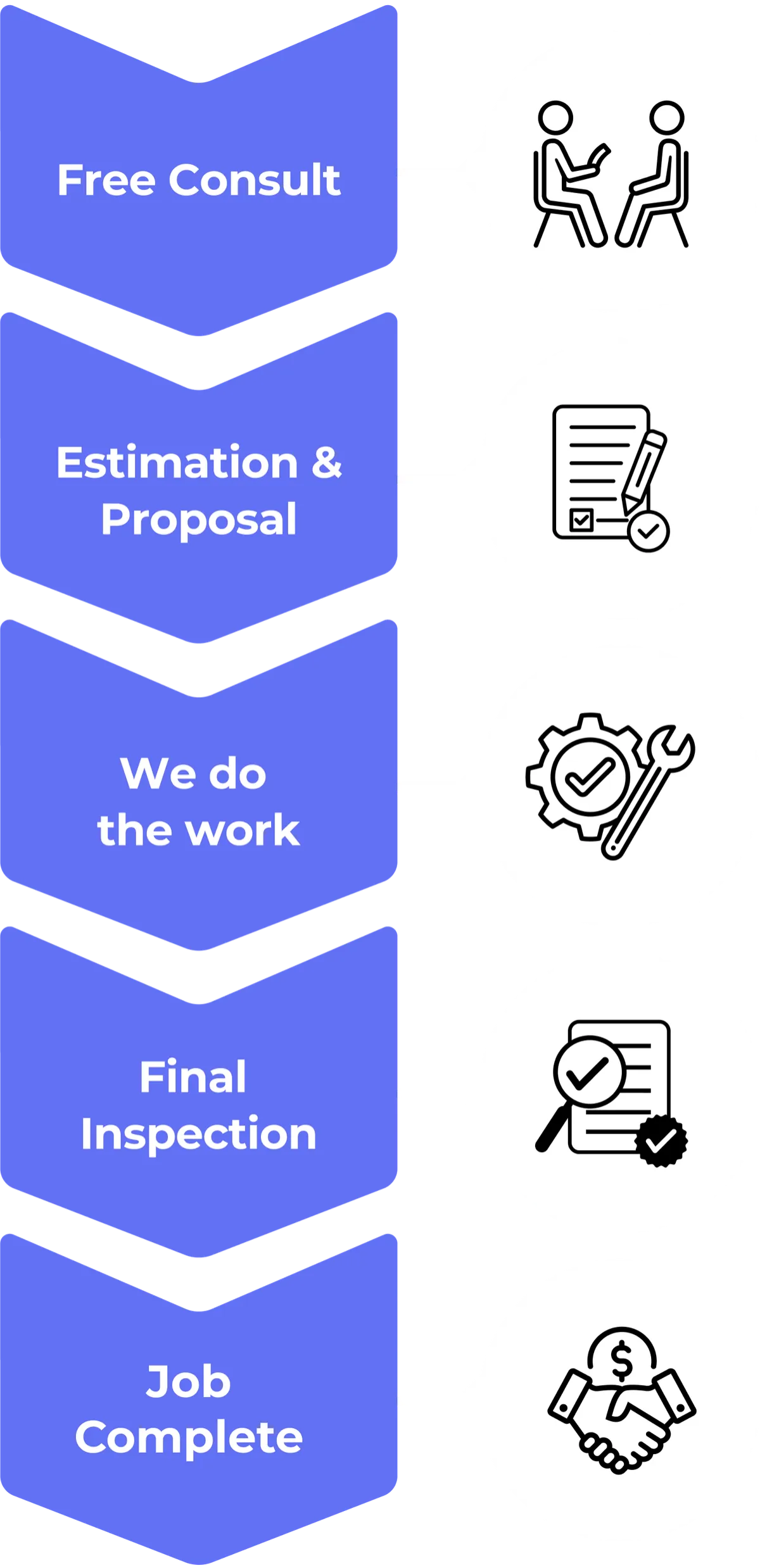
Our process is simple and only contains a few simple steps

SERVICE AREAS
proudly serving Lake Macquarie

frequently asked questions
Find clear answers to the questions we’re asked most often.
How does the repair process work?
Once you contact Appliance Repair Solutions, a technician will discuss the issue with you and arrange a suitable inspection time. The problem is diagnosed on site, and clear advice is provided before any repair work begins. The goal is to complete repairs efficiently while keeping communication straightforward throughout the process.
How quickly can I book a technician?
Service availability depends on your location and the type of appliance issue. In many cases, same day or next day bookings may be available across Sydney. The team aims to respond promptly and provide flexible scheduling where possible.
Do you provide quotes before starting repairs?
Yes. After assessing the appliance and identifying the fault, you will receive clear information about the recommended repair and expected costs. This helps customers make informed decisions before approving any work.
What should I do before the technician arrives?
It helps to clear access around the appliance and make note of any error codes or unusual behaviour. If possible, have the appliance model number available as this can assist with diagnosing the issue faster. The technician will guide you through anything else needed when confirming the booking.
What should I do before the technician arrives?
It helps to clear access around the appliance and make note of any error codes or unusual behaviour. If possible, have the appliance model number available as this can assist with diagnosing the issue faster. The technician will guide you through anything else needed when confirming the booking.
proudly serving Baulkham Hills
Homebush
Gladesville
Leichhardt
North Sydney
Mosman
Box Hill
Marsden park

Trusted & Accredited Plumbers


READY TO take the next step?
get a free quote TODAY!
Brightwater Building Patios
33 Pillapai Rd, Brightwaters NSW 2264, Australia