
BLOG
When Patios and Decks in Lake Macquarie Can Qualify as Exempt Development and Which Property Restrictions Need Checking
A small patio or deck does not automatically qualify for construction without approval. In Lake Macquarie, the proposed structure and the property must satisfy the applicable NSW exempt-development requirements. Floor area is only one part of that assessment.
Two decks with identical dimensions can have different approval requirements because their height, position or property restrictions differ. Establishing the planning pathway before finalising the design helps identify which details need adjustment and whether an application is necessary.
Exempt Development Means Meeting Every Applicable Requirement
Exempt development covers certain minor works that do not require planning or construction approval from council or a private certifier. The exemption depends on meeting all relevant
development standards and land requirements, rather than selecting the conditions that suit the project.
Exempt work must still be structurally adequate and comply with applicable building requirements. Manufacturer instructions also remain relevant where proprietary building components form part of the structure.
The description of the work matters. An open deck, a roofed patio and an enclosed outdoor room are not interchangeable proposals. Adding a roof or enclosing the sides can change the assessment.
Prepare a sketch showing the complete intended structure. Include anything planned for a later stage, so the initial discussion does not assess an open platform when the eventual intention is a covered or enclosed space.
Check Area, Height and Boundaries Together
The NSW Planning Portal identifies several dimensions within the exempt-development provisions for these outdoor structures. They include a maximum individual area of 25 square metres, a floor no more than one metre above existing ground and an overall height no greater than three metres.
Boundary setbacks depend on zoning. The published guidance specifies five metres in nominated rural and large-lot residential zones, and 900 millimetres in other zones. It also addresses the position relative to road frontages and limits on enclosing wall height. These are selected requirements, not a complete eligibility checklist.
Measure against the actual property boundary rather than assuming a fence marks it precisely. On sloping ground, record levels across the whole footprint. A deck that sits close to the ground beside the house may stand considerably higher at its outer edge.
Existing structures can also affect the assessment. The provisions include combined floor-area limits, so checking only the proposed addition may give an incomplete result.
Property Restrictions Can Change the Available Pathway
Lake Macquarie properties do not all share the same planning conditions. State and local planning instruments apply, and particular land constraints can influence what development is possible. Council’s pre-development services can help identify relevant property constraints and matters requiring further investigation.
Check the property’s zoning, heritage status and any relevant bushfire, flood or foreshore controls. Do not infer these conditions solely from the suburb name or proximity to trees or water.
State Heritage Register listing and interim heritage orders can exclude exempt development. Local heritage listings and conservation areas require their own assessment rather than an assumption that all heritage categories operate identically.
Keep the property information with the proposed drawings. If advice identifies a restriction, record which part of the proposal it affects. That makes it easier to compare revised layouts without losing the reason for the change.
Roof Connections and Drainage Need Separate Attention
A roofed structure introduces details beyond the floor underneath it. The NSW guidance includes additional conditions for roofs attached to dwellings, including their relationship with the existing gutter line.
Connections to a fascia require an engineer’s specifications under the published provisions. Roof water must discharge into an existing stormwater drainage system, and the work must not obstruct existing drainage fixtures or flow paths.
These requirements affect the design early. A roof position chosen only for appearance may conflict with the attachment arrangement or drainage route.
Show existing downpipes, pits and drainage paths on the site sketch. Include photographs of the proposed connection to the house. If construction requires tree removal or pruning, check the separate vegetation requirements before treating that work as part of the patio project.
A Project That Is Not Exempt May Still Have an Approval Pathway
Failing the exempt-development requirements does not automatically mean the project cannot proceed. It means the proposal needs assessment under another appropriate pathway.
Some projects may qualify for complying development, which requires a Complying Development Certificate. Others need a development application and associated building approvals. Eligibility depends on the particular proposal and applicable controls.
Keep a clear record of the design assessed, the dimensions used and the property information checked. Revisit that assessment if the roof height, footprint, enclosure or location changes.
Exempt-development eligibility belongs to a specific proposal on a specific property. A neighbour’s completed patio, a supplier’s standard drawing or a smaller floor area cannot establish the planning pathway for a different site.
DISCOVER WHAT OUR CUSTOMERS HAVE TO SAY ABOUT US
REVIEWS
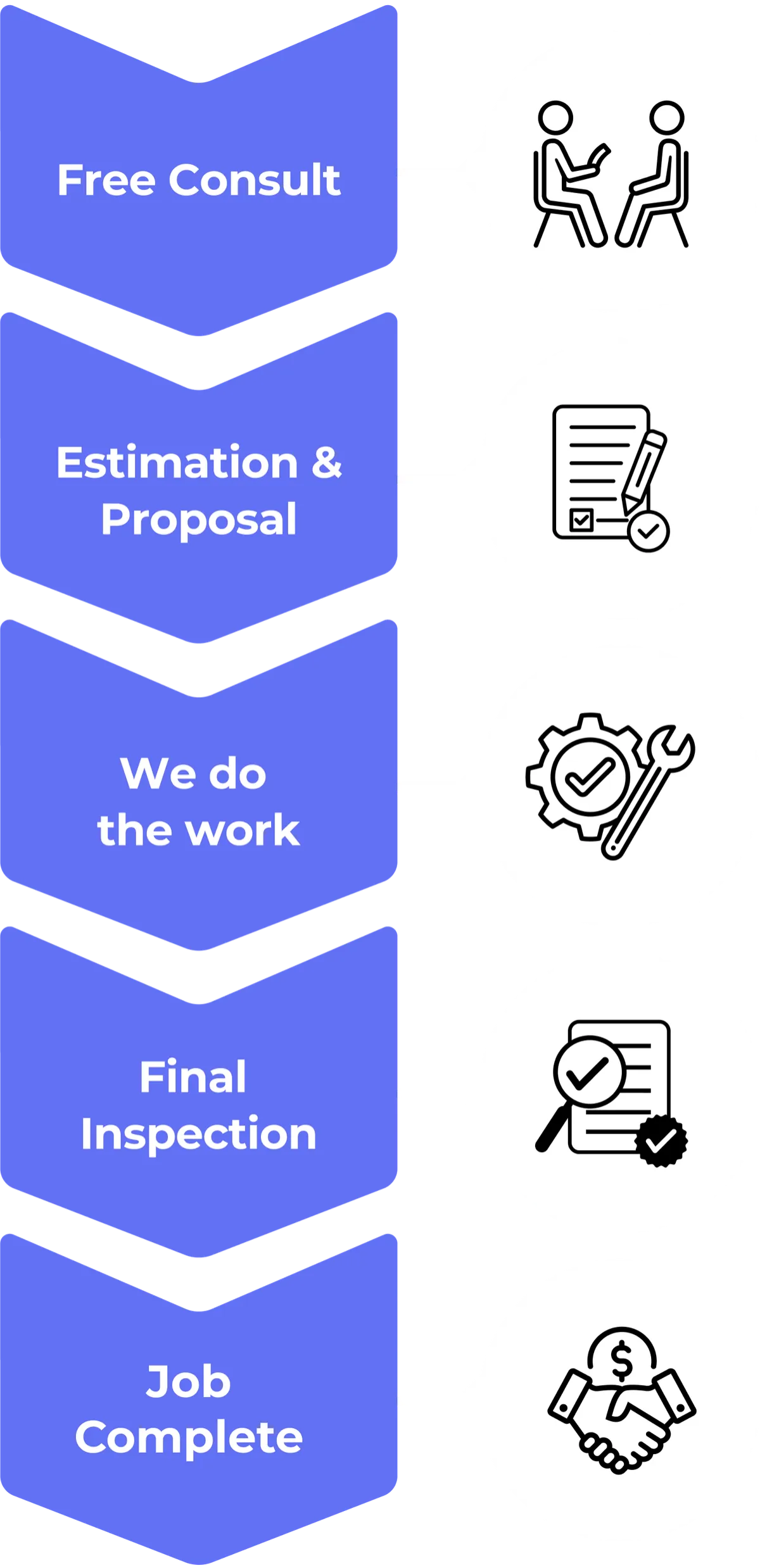
our process
Our process is simple and only contains a few simple steps

SERVICE AREAS
proudly serving Lake Macquarie

frequently asked questions
Find clear answers to the questions we’re asked most often.
How does the repair process work?
Once you contact Appliance Repair Solutions, a technician will discuss the issue with you and arrange a suitable inspection time. The problem is diagnosed on site, and clear advice is provided before any repair work begins. The goal is to complete repairs efficiently while keeping communication straightforward throughout the process.
How quickly can I book a technician?
Service availability depends on your location and the type of appliance issue. In many cases, same day or next day bookings may be available across Sydney. The team aims to respond promptly and provide flexible scheduling where possible.
Do you provide quotes before starting repairs?
Yes. After assessing the appliance and identifying the fault, you will receive clear information about the recommended repair and expected costs. This helps customers make informed decisions before approving any work.
What should I do before the technician arrives?
It helps to clear access around the appliance and make note of any error codes or unusual behaviour. If possible, have the appliance model number available as this can assist with diagnosing the issue faster. The technician will guide you through anything else needed when confirming the booking.
What should I do before the technician arrives?
It helps to clear access around the appliance and make note of any error codes or unusual behaviour. If possible, have the appliance model number available as this can assist with diagnosing the issue faster. The technician will guide you through anything else needed when confirming the booking.
proudly serving Baulkham Hills
Homebush
Gladesville
Leichhardt
North Sydney
Mosman
Box Hill
Marsden park

Trusted & Accredited Plumbers


READY TO take the next step?
get a free quote TODAY!
Brightwater Building Patios
33 Pillapai Rd, Brightwaters NSW 2264, Australia